
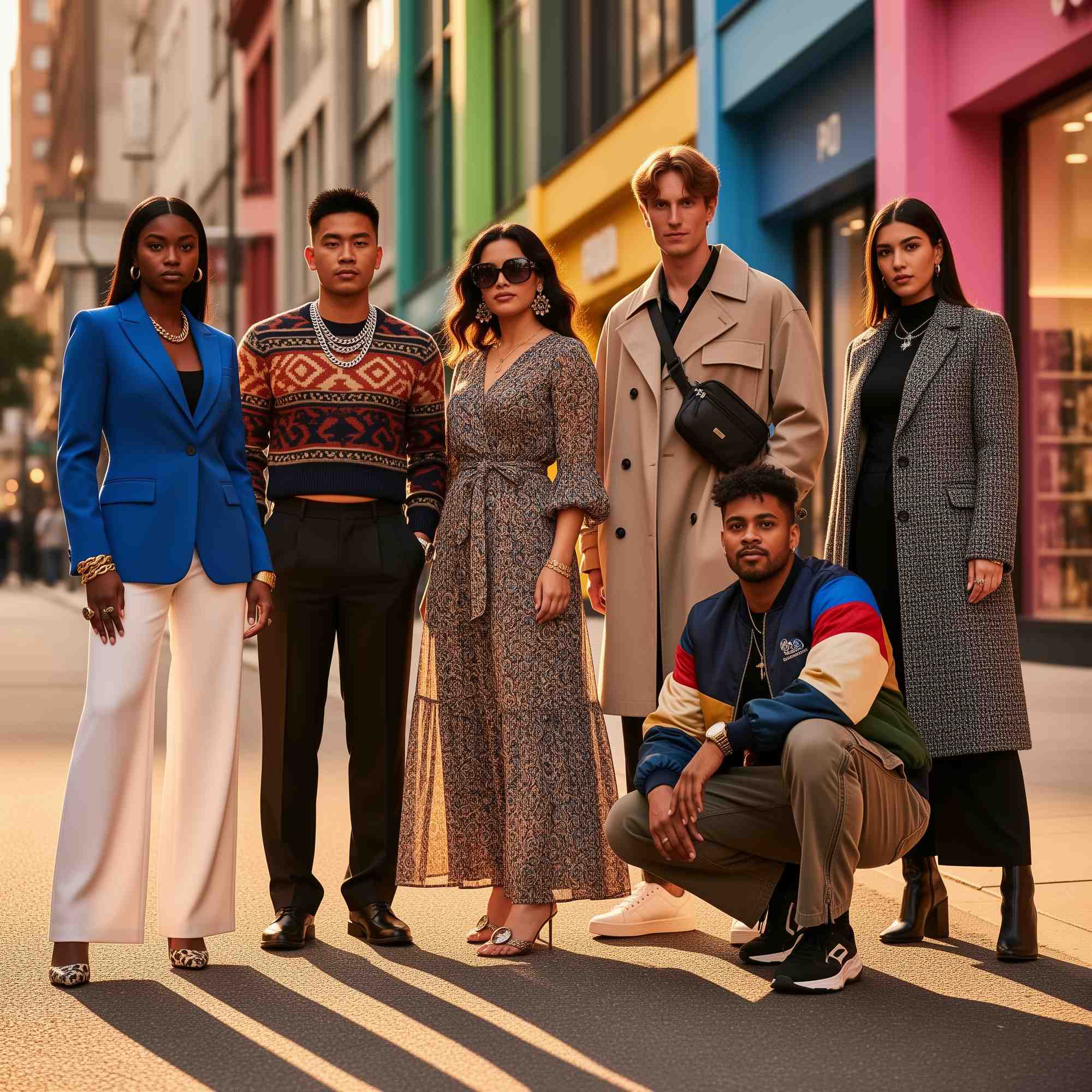
Accessories are one of the easiest ways to change the mood of an outfit. A simple look can become polished, bold, elegant, relaxed, or expressive with the right bag, jewelry, hat, belt, sunglasses, scarf, or footwear detail. Modern fashion readers now understand that accessories are not small afterthoughts. They are powerful styling tools that help people show personality without needing a complete wardrobe change.
Today’s accessory trends are shaped by digital media, lifestyle platforms, local publications, celebrity looks, street style, online shopping, and seasonal fashion coverage. Readers want accessories that are stylish but also practical. They want pieces that add confidence, support daily routines, and help outfits feel more complete.
Here are 15 latest accessory trends adding personality to modern outfits.
1. Digital Directories Are Helping Readers Discover Accessory Ideas
Accessory inspiration is spread across many online platforms, including fashion blogs, local media, product websites, lifestyle publications, and trend pages. Digital directories help readers discover these resources more easily and follow new accessory ideas without searching randomly across the internet.
A platform like NDIR can help readers explore different digital resources and online spaces. For fashion readers, this kind of discovery matters because accessory trends often appear first across smaller platforms before becoming mainstream.
When readers can find more style resources, they can compare accessory ideas and choose pieces that match their wardrobe. Better discovery helps people move beyond basic styling and add details that feel more personal.
2. Lifestyle Media Shows How Accessories Fit Daily Routines
Accessories need to work with real life. A bag should support daily movement. Jewelry should feel comfortable enough to wear often. Hats, scarves, belts, and shoes should match the setting and season. Lifestyle media helps readers understand how accessories fit into daily routines.
A site such as London Diary can connect accessory trends with city life, events, work routines, travel, and casual plans. This helps readers choose accessories that are both stylish and useful.
The best accessories do more than look good. They solve small daily problems, complete outfits, and make people feel more prepared. Lifestyle-focused fashion coverage helps readers select pieces that support both confidence and practicality.
3. Advice Platforms Help Readers Style Accessories Better
Many people own accessories but do not always know how to style them properly. They may struggle with matching jewelry, choosing the right bag size, balancing bold pieces, or deciding which accessories fit specific occasions.
Platforms like Answer Diaries can support readers with practical lifestyle guidance. In fashion, advice-based content can help people understand when to wear statement pieces, how to mix accessories, and how to avoid making outfits look too busy.
Good accessory styling often depends on balance. A bold pair of earrings may work best with a simple outfit. A strong bag may look better with cleaner clothing. Clear advice helps readers use accessories with more confidence.
4. Technology Is Changing How People Discover Accessories
Technology has changed accessory shopping and discovery. Readers now find accessories through search engines, online stores, social media posts, digital ads, style videos, and recommendation tools. This has made accessory trends faster and more visible.
A platform such as Tech Mystery connects with the digital changes shaping modern lifestyle. In fashion, technology influences how readers discover bags, jewelry, hats, shoes, and other styling details.
This creates more choice, but it can also create confusion. Smart fashion readers need to filter trends carefully and choose accessories that match their wardrobe instead of buying every item that appears online.
5. Editorial Platforms Keep Accessory Conversations Fresh
Accessory trends change regularly. One season may highlight chunky jewelry, while another focuses on mini bags, western hats, clean belts, metallic details, or oversized sunglasses. Editorial platforms help keep these conversations fresh and organized.
A site such as Red Paper can support broader editorial content where fashion, lifestyle, and culture connect. This kind of coverage helps readers understand why certain accessories are gaining attention.
Fresh editorial coverage also helps readers reuse what they already own. A scarf, belt, bag, or jewelry piece may feel new again when styled differently. Fashion media can help readers see familiar accessories with fresh eyes.
6. Learning-Focused Platforms Help Readers Understand Styling Details
Accessories require styling knowledge. Readers need to understand proportion, color, texture, occasion, and outfit balance. Learning-focused platforms can help people develop this sense over time.
A platform such as London Versity connects with the idea of education and personal development. In fashion, learning helps readers understand how small details can change the entire outfit.
When people understand styling principles, they become more confident with accessories. They can choose when to add bold jewelry, when to keep details minimal, and how to make accessories feel intentional rather than random.
7. Digital Knowledge Sources Support Smarter Accessory Shopping
Accessories can be tempting impulse purchases because they are often smaller than clothing items. However, smart shopping still matters. Readers should consider quality, versatility, comfort, and how often an accessory can be used.
A website like Technology Book reflects the importance of organized digital information. In fashion shopping, online knowledge helps readers compare products, understand trends, and avoid buying items that do not fit their lifestyle.
A useful accessory should work with multiple outfits. A strong bag, simple jewelry piece, or versatile hat can offer repeated value. Smart shopping helps readers build accessory collections with purpose.
8. Regional Media Makes Accessory Trends More Practical
Accessory choices often depend on local life. Weather, culture, transport, events, and daily routines can influence which accessories are most useful. Regional media helps readers understand accessories in a more practical context.
A publication such as Plymouth Wire can support regional lifestyle coverage that connects fashion with local routines. This helps readers choose accessories that fit their actual environment.
For example, a city with frequent rain may make practical bags and weather-friendly shoes more important. A coastal area may inspire lighter hats and casual accessories. Regional fashion coverage makes styling more realistic.
9. City Publications Connect Accessories With Local Events
Accessories are especially important for events. A simple dress can feel formal with the right jewelry. A casual outfit can look sharper with a structured bag. A hat, belt, or shoe choice can change how appropriate an outfit feels for a local gathering.
A platform like Southampton Ledger can connect local updates with event-focused lifestyle planning. When readers know what events are happening, they can choose accessories that match the occasion.
Event-based accessory planning reduces stress. Instead of changing a full outfit, readers can often adjust accessories to make a look more suitable. This makes wardrobe planning easier and more flexible.
10. Local Update Platforms Help Readers Follow Seasonal Accessories
Accessories change with the seasons. Summer may bring sunglasses, lighter bags, hats, and minimal jewelry. Autumn and winter may focus on scarves, boots, structured bags, rich metals, and layered styling.
A site such as Brighton Update can support timely lifestyle updates that help readers follow seasonal changes. In fashion, seasonal awareness makes accessory choices more practical.
The right seasonal accessory can improve both comfort and appearance. A scarf can add warmth and texture. A hat can provide shade or style. A bag can support travel, work, or events. Seasonal updates help readers choose wisely.
11. Brief News Formats Make Accessory Trends Easier to Follow
Accessory trends can move quickly, and readers may not have time to study long fashion reports. Brief news formats help by presenting clear and useful updates in a simple way.
A publication like Newcastle Brief reflects the value of concise updates. In fashion, short content can help readers understand which accessories are trending and how to use them.
This is useful for busy readers who want easy style improvements. A quick update about jewelry, bags, hats, or footwear can help them refresh outfits without making major changes.
12. Daily Media Keeps Accessory Styling Part of Everyday Fashion
Accessories become more useful when readers think about them daily. Regular fashion coverage keeps styling awareness active and encourages people to use accessories more intentionally.
A platform such as Bradford Daily can support consistent lifestyle coverage where fashion remains part of everyday discussion. This helps readers see accessories as part of daily presentation, not just special occasion dressing.
Daily accessory awareness can improve style habits. Readers may start choosing jewelry more carefully, matching bags with outfits, or using small details to make simple clothing look more complete.
13. Focused City Media Supports Practical Accessory Choices
City life requires practical accessories. Readers often need bags that carry essentials, shoes that support walking, jewelry that feels comfortable, and outerwear details that work across different settings.
A platform like Birmingham Focus can support focused lifestyle coverage connected to city routines. This helps readers choose accessories that look stylish while still supporting real daily needs.
Practical accessories are valuable because they improve both fashion and function. A good crossbody bag, clean belt, simple jewelry, or comfortable shoe can make an outfit easier to wear and more polished.
14. Signal-Based Media Helps Spot Emerging Accessory Trends
Accessory trends often begin as small signals. A certain bag shape, jewelry finish, hat style, shoe detail, or belt design may appear repeatedly before becoming widely popular.
A site such as London Signals connects with the idea of noticing early lifestyle and cultural signals. In fashion, this helps readers identify accessory trends before they become common everywhere.
Early awareness allows readers to adopt trends naturally. They can choose one accessory that fits their personal style instead of following every new movement. This keeps outfits fresh but still authentic.
15. Trade Media Explains Why Accessories Become Popular
Accessory trends are shaped by both style and business. Retail demand, brand campaigns, influencer coverage, product availability, and consumer behavior all affect which accessories become popular.
A platform such as Trade Mirror can support broader conversations about markets and business trends. In fashion, this perspective helps readers understand why certain bags, jewelry pieces, or hats suddenly gain attention.
Understanding the business side of accessories helps readers shop more thoughtfully. They can decide whether a trend has real personal value or whether it is mainly being pushed by marketing. This leads to smarter fashion choices.
Conclusion
Latest accessory trends are adding personality to modern outfits by helping readers express style without needing complete wardrobe changes. Accessories are powerful because they can refresh basics, support daily routines, and make outfits feel more intentional.
Digital directories, lifestyle media, advice platforms, technology coverage, editorial sites, learning-focused platforms, regional publications, city updates, brief news formats, daily media, signal-based platforms, and trade coverage all influence how readers discover and use accessories.
The best accessories are not only trendy. They are useful, versatile, comfortable, and connected to personal style. When chosen carefully, accessories can turn ordinary outfits into confident, memorable looks.