
When a loved one passes away, the sudden wave of administrative tasks can feel completely paralyzing. Maybe you’re trying to find the chapel’s address to send flowers for a service tomorrow. Or perhaps you’re untangling a late relative’s bank accounts months after the fact. Sometimes, it’s as simple as filling in a missing name on a dusty family tree. Whatever brought you here, finding that record matters. Fortunately, tracking down death notices in Oklahoma is fairly straightforward once you know which door to knock on first.
If you need a quick answer on how to find someone’s death notice in Oklahoma, your fastest move is searching digital funeral home tribute pages or regional newspaper databases for recent passings. For older historical records, family genealogy or legal matters, you’ll want to check public library archives, contact county historical societies or request an official death certificate directly from the Oklahoma State Department of Health Vital Records office.
Key Takeaways
- Digital funeral home portals provide the fastest look at recent service schedules, chapel addresses, and online guestbooks.
- Searching Oklahoma obituaries across news databases works best when you test different name spellings, middle initials or maiden names.
- Official state agencies issue certified death certificates which you will need for legal tasks like settling estates or claiming life insurance benefits.
- Public libraries and local historical centers hold deep physical collections of old newspapers, microfilms, and regional cemetery indexes.
5 Practical Ways to Find an Oklahoma Death Notice
Timing dictates your entire strategy here. Are you searching for a service happening tomorrow morning or are you hunting down a grave from ninety years ago? Different goals call for completely different search tools.
1. Look Through Funeral Home Websites
For recent passings, local funeral home websites are by far your best starting point. Funeral directors almost always post a dedicated memorial page within a day or two of sitting down with the family.
These digital tribute pages usually pull everything together in one spot:
- Visitation hours, church locations, burial times, and cemetery maps
- Personal write-ups covering career highlights, military service, and surviving family members
- Online guestbooks where old friends post memories, share photos or light virtual candles
- Direct links to send sympathy flowers or make donations in the person’s memory
Try typing the person’s full name along with their primary town into a search bar. If you aren’t sure of the exact small town, try expanding your search out to broader nearby hubs like Oklahoma City, Tulsa, Lawton or Norman.
2. Search Oklahoma Newspaper Archives
Long before digital databases took over, local newspapers served as the primary bulletin board for community news. Daily papers and small-town weekly gazettes across Oklahoma still print these notices every single day.
Major daily publications usually keep searchable digital archives right on their websites. But do not overlook tiny county weeklies. In smaller communities, those local print notices often include rich personal stories you simply will not find anywhere else.
Keep in mind that print space costs money. Because of that, families sometimes shorten what goes into the actual paper. If an exact name match isn’t showing up, try searching by last name only along with the town, or look for initials instead of the full first name.
3. Request Records from Oklahoma Vital Records
An obituary in a newspaper is a public tribute, not a legal document. If you need to handle real estate, file a life insurance claim or close out bank accounts, an online post will not work. You are going to need an official certified death certificate.
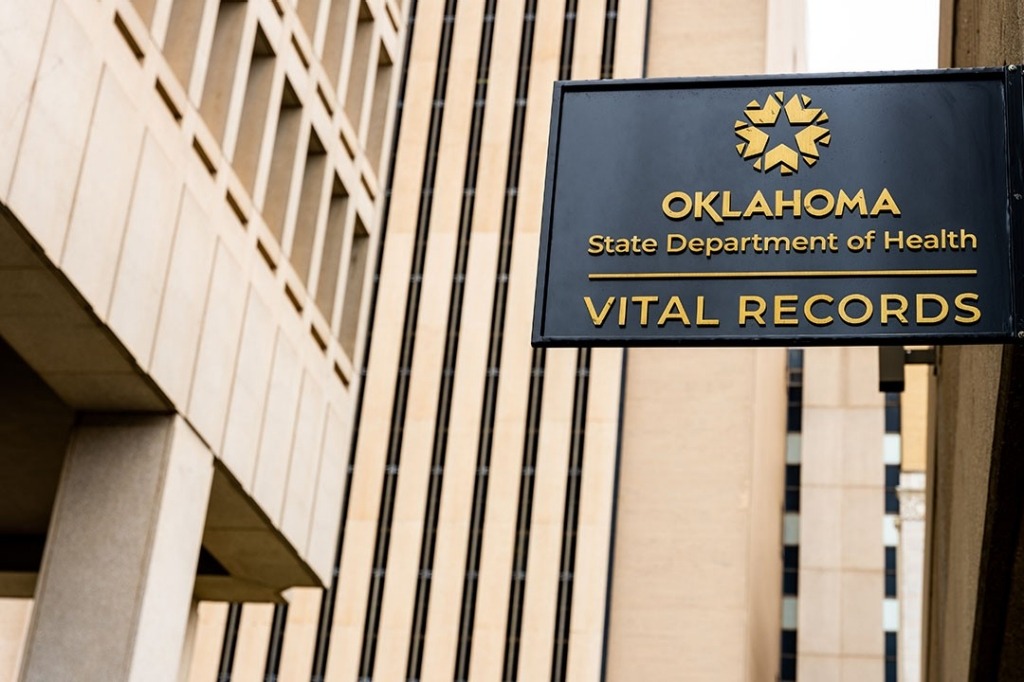
The Oklahoma State Department of Health Vital Records division handles all of these official legal requests statewide.
- Eligibility Rules: Oklahoma keeps these records closed to the general public for 50 years. That means only immediate family members, designated legal representatives or people who can prove a direct financial interest can request a certified copy.
- Public Access Rules: Once 50 years have passed from the exact date of death, those files open up to the general public for historical research.
- How to Apply: You can submit applications online, send them through the mail or walk into a Vital Records location in person. Just make sure you bring a photo ID and the required state fee.
4. Visit Libraries and Historical Societies
When online search bars give you nothing for older names, heading to a public library is a fantastic move.
Places like the Metropolitan Library System in Oklahoma City or the Tulsa City-County Library have massive local history departments. They house rooms full of microfilmed newspapers, old town directories, and historical indexes. County historical societies are another amazing hidden resource. They often store old church books, handwritten registers, and rural cemetery maps that have never been uploaded to the internet.
5. Check Online Genealogy and Cemetery Sites
When standard search methods yield no results, volunteer-run databases can fill the gaps. Large record index sites gather public census data, cemetery records, and user photos into searchable lists.
Virtual cemetery platforms let local volunteers walk through graveyards, take pictures of headstones, and type up the dates. This helps immensely if you are looking for a grave in a small, rural Oklahoma cemetery that never had a formal office or a website to speak of.
Simple Tips for a Better Search
Searching public archives gets frustrating fast. Especially if the person had a very common name like John Smith or Mary Jones. Taking a few moments to pull your details together before you start searching will save you hours of pulling your hair out later.
Gather Basic Details First
Write down whatever facts you already know before clicking around online. Having these details handy makes confirming a true match much easier.
Try to collect:
- Full Legal Name: Include middle names, suffixes like Jr., and maiden names.
- Estimated Dates: Having a rough year or decade stops you from sifting through fifty years of files.
- Locations: Knowing the county, town or hospital location helps narrow down the records quickly.
- Family Names: Knowing the names of a spouse or children lets you verify the right record right away.
Try Different Name Variations
Old paper records and scanned files have plenty of typos. Someone named William might be listed as “Bill” or “W.T.” Surnames were often misread by software scanning old newsprint. If you hit a wall, drop the first name completely and search by last name and county or try alternate spellings.
How Funeral Homes Help Families Write Notices
Drafting a thoughtful death notice is tough when you are grieving. Between taking care of family, arranging travel, and making funeral choices, formatting text for strict newspaper deadlines is an extra burden.
Funeral directors take care of this entire process for families. They help draft the write-up, coordinate directly with newspapers, follow print rules, and build the online tribute page. Having a single link online makes it easy for friends, extended family, and neighbors to get service information and offer support.
Conclusion
Finding a death notice in Oklahoma comes down to choosing the right tool for what you need. If you need quick details about an upcoming service, checking a local funeral home site is your best option. When legal tasks or estate matters come up, contacting state vital records guarantees you get certified paperwork. For older family history, local library archives are hard to beat. Searching Oklahoma obituaries across these trusted resources will help you find the answers you need and honor the memory of the person who passed away.
Read More: How Long After a Death Are Obituaries Published in Oklahoma