
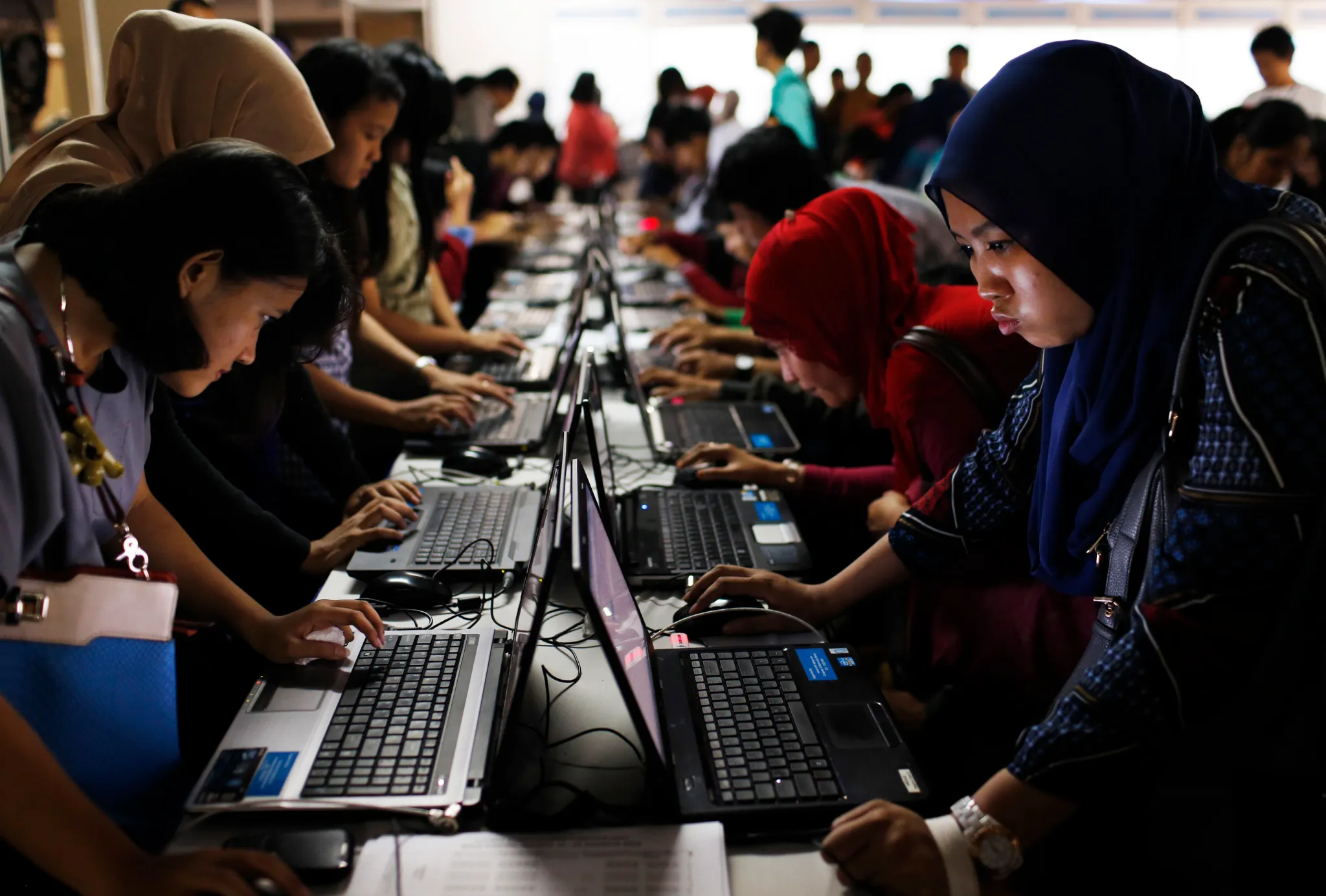
Learning practical skills has become more important than ever in today’s fast changing world. While academic knowledge provides a strong foundation, practical abilities help people adapt to new challenges, solve problems, and remain competitive in education and employment. As technology, industries, and workplaces continue to evolve, individuals who can apply knowledge in real life situations often enjoy greater success than those who rely only on theory. Research consistently shows that combining theoretical understanding with hands on application leads to stronger learning outcomes and better long term career readiness.
The Value of Learning Practical Skills in a Rapidly Changing World
Practical Skills Build Confidence
Practical skills allow individuals to transform ideas into action. Whether someone is learning to repair household items, manage finances, create digital content, or operate modern technology, each new skill increases confidence. Instead of depending on others, people become more self sufficient and capable of handling unexpected situations.
Confidence gained through practical experience also encourages continuous learning. Every successfully completed task motivates individuals to take on more complex challenges, creating a cycle of personal growth that benefits both professional and personal life.
Practical Learning Improves Problem Solving
Real world situations rarely have textbook answers. Practical learning teaches people to analyze problems, evaluate different solutions, and make informed decisions. These abilities become valuable across every profession, from healthcare and engineering to education and business.
Employers increasingly value candidates who demonstrate practical experience because they can contribute immediately without requiring extensive supervision. Practical learning strengthens critical thinking, adaptability, teamwork, and communication, all of which are considered essential workplace skills.
Staying Updated With Changing Technology
Technology continues to reshape nearly every industry. Learning practical digital skills helps people remain productive as new tools emerge. Skills such as using cloud platforms, understanding artificial intelligence, working with spreadsheets, basic programming, and digital communication have become increasingly valuable.
Many learners also explore online resources for information related to public services and government initiatives. For example, pm surya ghar yojana chart may help individuals understand renewable energy related schemes while improving their ability to navigate digital information efficiently.
Practical Experience Creates Career Opportunities
Employers today often prioritize demonstrated abilities over qualifications alone. Internships, apprenticeships, freelance work, volunteer projects, and personal portfolios allow candidates to showcase what they can actually accomplish.
Practical experience also helps people discover their interests before committing to long term career paths. Someone interested in graphic design, digital marketing, electrical work, or software development can build experience through projects that strengthen both knowledge and confidence.
Those exploring employment opportunities may also stay informed about updates such as hkrn vacancy 2026, while continuing to build skills that improve their competitiveness in the job market.
Everyday Skills Matter Just as Much
Practical skills are not limited to professional careers. Everyday abilities contribute significantly to overall quality of life. Cooking nutritious meals, budgeting finances, maintaining a healthy home, communicating effectively, and managing time efficiently all improve daily living.
These skills reduce stress, increase independence, and help individuals make better decisions. Families also benefit when practical knowledge is shared across generations, creating stronger communities and greater resilience during uncertain times.
Learning Through Real World Practice
Research suggests that people retain information more effectively when they actively apply what they have learned rather than simply memorizing facts. Project based learning, internships, workshops, simulations, and practical exercises all reinforce knowledge through experience.
Even hobbies such as photography, gardening, woodworking, coding, or repairing electronic devices can develop transferable skills including patience, planning, creativity, and problem solving. These experiences often become valuable assets in unexpected professional situations.
People also develop stronger digital literacy by exploring various online platforms responsibly. Some individuals may browse informational websites such as https://www.meebhoomiap.net while learning how government digital portals function and how official information is organized.
Lifelong Learning Is the Key
The modern world changes far too quickly for education to end after graduation. Lifelong learning has become an essential mindset rather than an optional activity. Professionals regularly update their knowledge through online courses, certifications, workshops, and practical projects to remain relevant.
Learning practical skills throughout life also encourages adaptability. Individuals become more comfortable embracing new technologies, changing careers, and solving unfamiliar problems without fear of failure.
Even topics unrelated to careers can strengthen learning habits. For instance, checking information like punjab state dear lottery result demonstrates how people increasingly interact with digital platforms to access timely updates, further improving their familiarity with online services.
Conclusion
Learning practical skills is one of the smartest investments anyone can make in a rapidly changing world. While theoretical knowledge remains important, the ability to apply that knowledge creates lasting value. Practical experience builds confidence, strengthens problem solving, improves employability, and prepares individuals for continuous change. By embracing lifelong learning and developing real world abilities, people position themselves for greater personal satisfaction, professional success, and resilience regardless of how the future evolves.