
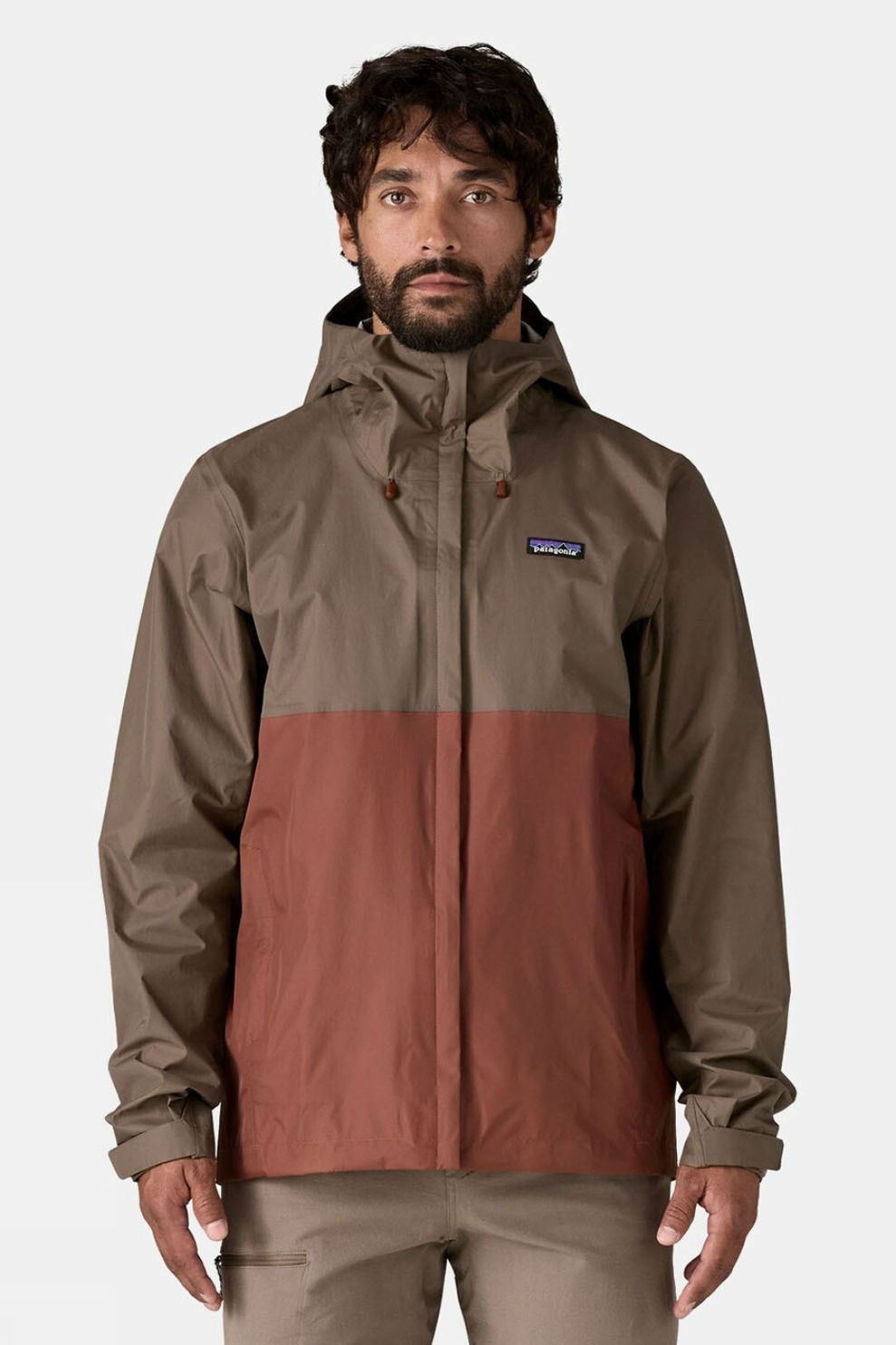
Summer rain does not ask whether your trail plan is flexible. It rolls over a ridge, drops the temperature, and turns a cheerful day hike into a wet lesson fast. That is why the Patagonia Torrentshell 3L has become the kind of jacket many U.S. hikers check for before weekend trips, national park visits, and shoulder-season travel. It sits in that practical middle ground: not a fragile emergency poncho, not a $500 alpine shell, and not a city raincoat pretending to belong on switchbacks. Patagonia lists the men’s version at $189 with a 3-layer H2No shell, pit zips, packable storage, and a PFAS-free fabric, membrane, and DWR finish. For readers tracking outdoor gear updates through consumer product news, the interest makes sense. Hiking season pushes people toward gear they can trust in real weather, and this jacket answers a simple question early: will it keep you dry without making you regret the price?
Why Patagonia Torrentshell 3L Demand Rose Right as Trails Filled Up
A rain jacket gets judged in the worst ten minutes of a hike. Not in the store. Not in a mirror. On a trail outside Asheville, Bend, Flagstaff, or the White Mountains, it earns trust when clouds move faster than expected and the parking lot is still three miles away. That is the setting behind the renewed attention around this shell.
Hikers want protection that feels less precious
Many outdoor shoppers do not want a jacket that feels too costly to scrape against rock, brush, or a wet picnic table. The Torrentshell lands in a useful lane because it feels serious without feeling rare. That matters for Americans who hike on weekends, travel with family, walk dogs in stormy suburbs, and still want one shell that can handle a national park trail.
OutdoorGearLab’s 2026 rain jacket testing named the Torrentshell 3L its top recommendation, pointing to strong water resistance and build quality at a lower cost than many premium shells. That kind of praise works because it matches how people buy. Most hikers are not building a mountaineering kit. They want honest rain protection that does not drain the trip budget.
The non-obvious part is that “middle price” can be harder to sell than cheap or luxury. Cheap wins on impulse. Luxury wins on status. A mid-price jacket has to prove itself. The Torrentshell does that by being plain, durable, and easy to explain. That may sound boring. On a wet trail, boring is often the point.
Restocks matter when sizes disappear first
The first sign of demand is not always a headline. It is a missing size. REI’s listing showed the men’s Torrentshell at $189, with some color and size availability changing, including Black shown as sold out in the captured listing. For a shopper, that creates a small pressure point: wait too long and your preferred color, size, or fit may vanish.
This is where a waterproof hiking jacket becomes different from a fashion buy. You may not care whether your trail shell matches every outfit. You do care if the cuffs close, the hood fits over a cap, and the hem sits right under a hip belt. A restock helps, but it does not always solve every fit problem at once.
That is why smart buyers check more than one channel. Patagonia’s own page may show one set of colors. REI may show another. Local outdoor shops may have older shades sitting quietly on a rack. The best move is not panic buying. It is knowing your size before the next storm system sends everyone searching again.
What Makes This Rain Shell for Hiking Feel Practical
The renewed interest is not only about brand loyalty. Plenty of outdoor brands make rainwear. The reason this jacket keeps coming back into the conversation is that its feature set feels built around the messy middle of hiking: warm climbs, cold summits, sudden showers, crowded trailheads, and backpacks that punish weak design.
Three-layer construction helps in ugly weather
A rain shell for hiking needs more than a slick surface. It has to block rain, manage sweat, and survive repeated stuffing into a pack. Patagonia says the jacket uses a 3-layer H2No Performance Standard shell with 50-denier recycled nylon ripstop face fabric, a membrane, a tricot backer, and a DWR finish made without intentionally added PFAS.
That sounds technical, but the trail meaning is simple. A 3-layer jacket usually feels more stable than thin emergency rainwear. It is not there only for ten minutes of drizzle. It is there for the full wet stretch, when trees keep dripping after the rain stops and your sleeves rub against pack straps.
A counterintuitive point: breathability does not mean you will never sweat. Any shell can feel warm on a climb. The real test is whether the jacket gives you ways to manage heat before you soak yourself from the inside. That is why pit zips matter more than many buyers expect.
Small features decide whether you keep wearing it
The hood, zipper, pockets, cuffs, and hem are not minor details once weather turns. Patagonia lists a two-way adjustable hood with a laminated visor, storm flaps at the zipper, pit zips, hand pockets, hook-and-loop cuffs, and a drawcord hem. It also packs into its own pocket with a clip-in loop.
That feature mix helps the jacket work beyond one kind of outing. You can stuff it into a daypack for Shenandoah. You can wear it over a fleece during a wet spring errand in Seattle. You can clip it inside a travel bag for a Rocky Mountain trip where the forecast changes by lunch.
Here is the quiet win: packability makes people carry the jacket, and the best shell is the one you did not leave in the car. A lighter, prettier jacket that stays at home loses to a slightly tougher one that is always in the side pocket of your pack.
How to Buy Before the Next Outdoor Gear Restock Vanishes
Shopping for rainwear gets strange during hiking season. People wait until the first wet forecast, then everyone needs the same sizes at once. A good plan saves you from settling for a poor fit or paying extra because you waited until the weekend before a trip.
Fit comes before color every time
A lightweight rain jacket should leave room for a base layer or thin fleece without turning baggy. That balance is easy to miss online. If your shoulders pull when you reach forward, the shell will annoy you with trekking poles. If the sleeves ride up when you lift your arms, rain will creep toward your wrists.
Patagonia lists the men’s version at 400 grams and the women’s version at 352 grams, both with regular fit. Those weights put the jacket in a reasonable zone for day hiking and travel. It is not an ultralight specialist piece, and that is fine. Most people buying this shell want durability and comfort more than the lowest possible pack weight.
Do this before buying: check your chest, sleeve, and hip measurements, then compare them with the brand chart. Read fit comments too, especially if you are between sizes. A jacket that looks clean in town but binds over a fleece will fail the first cold rain.
Compare channels, but avoid fake urgency
A restock headline can make every shopper feel late. Slow down. Check Patagonia, REI, and trusted outdoor retailers. Look for return terms, shipping timing, and whether the size you want is actually available, not only shown on a search result page.
For related buying decisions, you can also bookmark outdoor gear comparison guides and rainwear care tips for longer jacket life before you buy. The first helps you avoid paying for features you will not use. The second helps you protect the jacket after muddy trips and salt-stained winter walks.
The non-obvious buying lesson is that the best deal is sometimes full price in the right size. A 25% discount on the wrong fit is a closet tax. You pay less today and buy again later. That hurts more than waiting for the right restock.
Where This Jacket Fits in Real American Hiking Plans
A shell does not need to be perfect for every mountain to be worth owning. It needs to fit your actual life. For many U.S. hikers, that means day hikes, car camping, family trips, wet commutes, dog walks, and travel where one jacket has to do several jobs.
National park trips reward boring preparation
The National Park Service includes extra clothing such as a raincoat, jacket, hat, gloves, and other layers in its Ten Essentials guidance, because weather can change fast outdoors. That official advice is worth reading before a big trip: National Park Service Ten Essentials.
Think about a July hike in Glacier, a spring visit to Great Smoky Mountains, or a fall trail day in Acadia. The morning may look harmless. Then wind, mist, and cooling air arrive together. A waterproof hiking jacket gives you margin. Not drama. Margin.
The mistake is treating rain gear as comfort gear only. It is also decision gear. When you stay dry enough, you make calmer choices. You turn around on time. You read the map without shaking hands. You help a slower friend without becoming part of the problem.
It is not the best answer for every buyer
A rain shell for hiking should match your climate and pace. If you run hot and hike fast in humid places, you may care more about ventilation than rugged feel. If you backpack for days in exposed alpine zones, you may want a more technical hood and higher-end fabric. If you only need a jacket for school pickup and grocery runs, this may be more shell than you need.
That honesty makes the jacket easier to recommend, not harder. It is strongest for people who want one dependable layer for trail, travel, and daily rain. It is less ideal for ounce-counting minimalists or buyers who expect soft, stretchy comfort above all else.
A lightweight rain jacket can be useful without being the lightest jacket in the room. That is the practical truth behind this restock chatter. The Torrentshell is not trying to win a beauty contest. It is trying to be the shell you grab without thinking when the forecast looks rude.
Conclusion
A good rain jacket does not make hiking glamorous. It makes hiking possible when the sky changes its mind. That is why the renewed interest around this shell feels earned rather than random. The price sits within reach for many serious weekend hikers, the feature set covers real trail problems, and the design avoids the fragile feel that makes some rainwear stay buried in a pack.
The Patagonia Torrentshell 3L makes the most sense for Americans who want one shell for national parks, local trails, spring travel, and wet daily use. It is not the cheapest option, and it is not built for every extreme trip. Good. The appeal is narrower and more useful than that.
Check your size, compare trusted retailers, and buy for fit before color. When the next hiking-season storm rolls in, you will not care which shade sold out first. You will care that your hood stays put, your cuffs seal, and your walk back to the car feels under control.
Frequently Asked Questions
Is the Torrentshell good for hiking in heavy rain?
Yes, it is built for steady rain, day hikes, and mixed trail weather. The 3-layer shell, adjustable hood, storm flaps, cuffs, and hem all help manage wet conditions. For long exposed trips, pair it with smart layers and check the forecast before leaving.
How does this jacket fit over a fleece?
The regular fit should work over a light fleece for many shoppers, but sizing depends on body shape and layering habits. Choose the size that lets you raise your arms without shoulder pull. A shell that feels trim in town may feel tight on trail.
Is it too warm for summer hiking?
It can feel warm during steep climbs, like most waterproof shells. Pit zips help release heat, which matters in humid places or on uphill sections. For summer, carry it for rain and wind, then vent early before sweat builds up.
What is the best use for this jacket?
It works best for day hiking, camping, travel, wet commutes, and general outdoor use. It is a strong one-jacket choice for people who want trail-ready rain protection without paying for a high-end alpine shell.
Should I buy from Patagonia or REI?
Both can be good choices if the size, color, return policy, and shipping timing fit your needs. Patagonia may have current seasonal colors, while REI may offer member rewards or local pickup. Check both before buying during busy hiking months.
Does the jacket pack down well?
Yes, it stuffs into its own pocket, which makes it easy to carry in a daypack or travel bag. It is not an ultralight emergency shell, but it packs small enough for most weekend hikes and road trips.
How long should a rain shell like this last?
With proper care, a quality shell can last for years of normal use. Wash it according to the care label, avoid harsh detergents, dry it correctly, and refresh water repellency when rain stops beading on the surface.
Is this jacket worth full price?
It can be worth full price if you need reliable rain protection and the fit is right. A cheaper jacket may work for light use, but hikers who face regular wet weather often benefit from better construction, ventilation, and longer service life.