
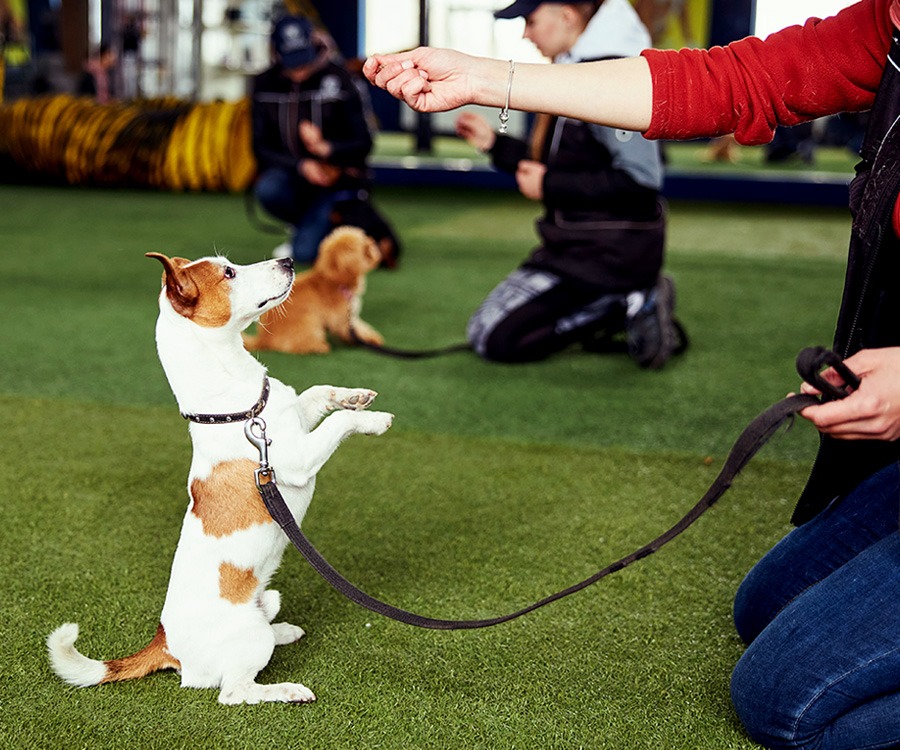
Dogs thrive when they feel secure, understood, and capable of handling the world around them. For many owners, obedience training is not only about teaching commands. It is about helping dogs develop trust, emotional stability, and reliable behavior in everyday situations. That is why confidence building obedience programs Scottsdale continue to gain attention among dog owners looking for long-term behavioral success instead of temporary fixes.
At Rob’s Dog Training, the focus is placed on helping dogs learn calmly and confidently through structured communication, consistency, and practical, real-world experiences. Whether a dog struggles with nervousness, overexcitement, leash frustration, or poor impulse control, confidence-based obedience can create meaningful improvements that strengthen the bond between dog and owner.
Why Confidence Matters in Obedience Training
Confidence influences nearly every aspect of canine behavior. Dogs that feel uncertain often react through fear, avoidance, barking, pulling, or hyperactivity. These reactions are not always signs of stubbornness or aggression. In many cases, they stem from stress or a lack of understanding.
Confidence-building training helps dogs:
- Feel more secure in unfamiliar environments
- Improve focus around distractions
- Respond calmly to commands
- Develop healthier social behavior
- Build trust with their owners
- Recover more quickly from stressful situations
When obedience training addresses emotional stability alongside behavior, dogs often become more adaptable and responsive in daily life.
The Connection Between Confidence and Communication
Clear communication is one of the most important parts of effective dog training. Dogs learn best when expectations remain consistent, and rewards are meaningful. Confidence grows when dogs understand how to succeed.
Many obedience problems begin when communication becomes unclear or inconsistent. For example, a dog may receive mixed signals about jumping, pulling, barking, or boundaries inside the home. Over time, confusion can lead to anxiety or unwanted habits.
Confidence building obedience programs Scottsdale often focus heavily on:
Consistent Structure
Dogs benefit from routines and predictable guidance. Consistency helps them understand expectations without stress or uncertainty.
Calm Reinforcement
Positive reinforcement encourages dogs to repeat desired behaviors while maintaining engagement and trust throughout training sessions.
Gradual Exposure
Controlled exposure to distractions, sounds, environments, and social settings helps dogs build resilience without becoming overwhelmed.
Real-World Application
Training becomes more reliable when practiced beyond the home. Dogs learn to apply obedience skills in parks, neighborhoods, public settings, and daily routines.
Common Behavioral Challenges Confidence Training Can Help Address
Confidence-focused obedience programs are often effective for a wide range of behavioral concerns. While every dog is different, many common issues improve when emotional stability and communication are strengthened together.
Leash Pulling and Overstimulation
Dogs that become overstimulated during walks may struggle to focus or respond to commands. Confidence training teaches dogs how to regulate excitement and remain engaged with their handler.
Fearful Reactions
Some dogs react nervously to unfamiliar people, dogs, sounds, or environments. Gradual exposure paired with positive experiences can help reduce fear-based responses over time.
Poor Impulse Control
Jumping, rushing doors, excessive barking, and inability to settle are often linked to impulse control challenges. Structured obedience helps dogs practice patience and self-regulation.
Separation Anxiety Behaviors
While severe separation anxiety may require specialized support, confidence-building exercises can help some dogs become more independent and secure.
Lack of Focus
Dogs that struggle with attention may benefit from obedience routines that reinforce engagement, responsiveness, and calm decision-making.
Building Confidence Through Structured Obedience
A well-designed obedience program does more than teach commands. It creates opportunities for dogs to practice success repeatedly in a safe, supportive environment.
Foundational Commands
Core obedience behaviors provide structure and safety while helping dogs understand expectations clearly.
Important foundational skills often include:
- Sit
- Stay
- Recall
- Loose-leash walking
- Place training
- Down command
- Leave it
- Door manners
As dogs become more reliable with these commands, their confidence typically increases because they learn how to navigate situations successfully.
Engagement Exercises
Confidence-based programs often emphasize handler engagement. Dogs that actively check in with their owners tend to remain calmer and more responsive around distractions.
Simple engagement exercises may involve:
- Eye contact work
- Reward markers
- Directional changes during walks
- Focus games
- Calm settling exercises
These activities help strengthen communication and reinforce teamwork.
Controlled Socialization
Proper socialization is not simply exposing dogs to every environment possible. Quality socialization focuses on helping dogs remain calm and emotionally balanced while experiencing new situations.
Confidence training may gradually introduce dogs to:
- New environments
- Traffic sounds
- Crowded spaces
- Other dogs
- Visitors
- Different walking surfaces
- Public settings
Carefully managed exposure allows dogs to build resilience at a healthy pace.
Why Personalized Training Matters
Every dog learns differently. Breed tendencies, age, past experiences, temperament, and household routines all influence behavior and learning styles.
A personalized approach allows trainers to:
- Identify emotional triggers
- Adjust training pace appropriately
- Build customized routines
- Strengthen owner communication
- Address specific behavioral goals
Confidence building obedience programs Scottsdale often work best when training plans are tailored to the dog’s individual needs rather than relying on rigid one-size-fits-all systems.
The Role of Owners in Confidence Development
Owners play a major role in shaping canine confidence. Dogs continuously look to their handlers for guidance, direction, and emotional cues.
Training success often improves when owners focus on:
Consistency
Using the same expectations, commands, and routines helps dogs learn more effectively.
Patience
Confidence develops gradually. Allowing dogs time to process and succeed reduces frustration and supports long-term learning.
Calm Leadership
Dogs respond well to calm, structured guidance. Consistent leadership creates a sense of safety and predictability.
Daily Reinforcement
Short, regular practice sessions help reinforce skills and maintain progress over time.
When owners actively participate in training, dogs often develop stronger trust and communication skills.
Real-World Benefits of Confidence-Based Obedience
The advantages of confidence-focused training often extend beyond obedience alone. Dogs that feel emotionally secure tend to adapt better to everyday life.
Improved Household Behavior
Structured training can help reduce:
- Jumping on guests
- Counter surfing
- Excessive barking
- Door rushing
- Destructive boredom behaviors
Safer Public Interactions
Reliable obedience helps dogs navigate parks, sidewalks, public spaces, and social environments more safely and calmly.
Reduced Stress for Owners
Owners frequently experience less frustration when communication improves and dogs become easier to manage in daily routines.
Stronger Human-Dog Relationships
Trust and cooperation often deepen when dogs clearly understand expectations and owners feel confident handling different situations.
Confidence Training for Puppies and Adult Dogs
Confidence-building obedience is beneficial for dogs of all ages.
Puppies
Early training helps puppies develop positive learning habits during important developmental stages. Puppies exposed to calm, structured training often gain stronger coping skills as they mature.
Puppy confidence programs may focus on:
- Socialization foundations
- Name recognition
- Leash introduction
- Handling exercises
- Crate confidence
- Basic obedience
Adult Dogs
Older dogs can also build confidence successfully. Adult dogs often benefit from improved structure, communication, and exposure work that helps reshape existing behaviors.
Training adult dogs may involve:
- Rebuilding trust
- Addressing reactivity
- Improving leash manners
- Strengthening obedience reliability
- Increasing emotional stability
Consistent guidance can help dogs continue learning throughout their lives.
How the Environment Influences Canine Confidence
Dogs constantly respond to their surroundings. Busy neighborhoods, crowded parks, unfamiliar guests, loud sounds, and inconsistent routines can all impact behavior.
Confidence-based obedience programs help dogs practice calm behavior in realistic situations rather than isolated environments alone.
Training in multiple locations may help dogs:
- Generalize commands more effectively
- Reduce anxiety in new places
- Build adaptability
- Improve focus around distractions
- Strengthen public behavior reliability
Real-world exposure often plays a major role in long-term obedience success.
Choosing the Right Obedience Program
Not all obedience programs focus on emotional development alongside behavioral results. When evaluating training options, owners may benefit from looking for programs that prioritize:
- Clear communication methods
- Balanced structure and encouragement
- Real-world training scenarios
- Individualized instruction
- Consistency
- Owner education
- Long-term behavioral stability
Programs that emphasize confidence and relationship-building often create more sustainable results than approaches focused only on command repetition.
Long-Term Success Through Confidence and Consistency
Reliable obedience is rarely achieved overnight. Lasting behavioral change develops through repetition, consistency, and positive learning experiences over time.
Dogs that build confidence gradually often become:
- More adaptable
- Easier to guide
- Better able to manage stress
- More responsive to distractions
- More comfortable in unfamiliar situations
Confidence building obedience programs Scottsdale can provide dogs with the skills necessary to navigate everyday life calmly while strengthening communication between dogs and their families.
At Rob’s Dog Training, structured guidance, consistent practice, and real-world application help obedience training become more than teaching commands. It becomes a foundation for trust, emotional stability, and long-term companionship.