
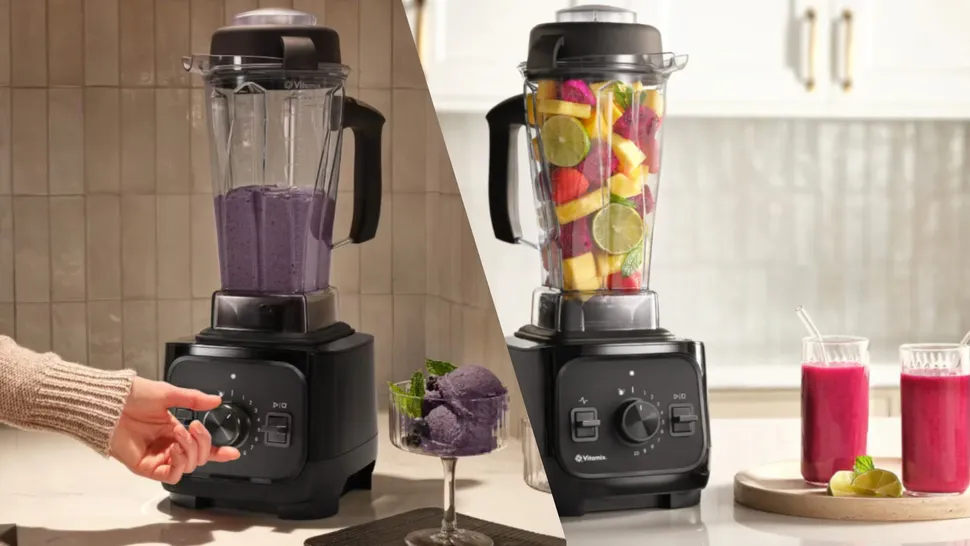
Counter space decides more kitchen purchases than most brands want to admit. That is why the Vitamix One Compact Blender is drawing attention from renters, first-time apartment owners, dorm graduates, and anyone tired of treating a blender like a storage problem. It gives people the name they know, a smaller footprint, a 32-ounce container, and one dial instead of a control panel that feels made for a test kitchen. The draw is not mystery. In a small apartment kitchen, the appliance that stays on the counter wins. A bulky machine in a top cabinet may as well be gone. This model fits the “make breakfast before work” life better than the “host ten people for soup night” life, and that difference matters. For shoppers who follow home product trend coverage, the appeal is easy to read: people want tools that earn their space, not trophies that sit above the fridge.
Why Vitamix One Compact Blender Fits the Apartment Counter Better Than Big Power
A full-size blender can look impressive in a store aisle and still feel wrong at home. The trouble starts when you bring it into a rental with shallow counters, narrow cabinets, and one outlet already claimed by the coffee maker. The compact choice is not about settling. It is about matching the tool to the room, then letting the room breathe. In apartment kitchens, the winner is often the appliance that does enough work without turning storage into a second chore.
Countertop space is the hidden feature
Vitamix lists the ONE model at 8.125 x 7 x 16 inches, with a 6.25-pound weight and a 32-ounce Tritan container, which explains why apartment shoppers notice it before they study motor talk or blade language. The box includes the motor base, container, and mini-tamper, while the brand also says hot soups and thick nut butters are better left to other models on its official Vitamix ONE product page.
Those numbers matter because most renters do not have “extra” counter space. They have a corner by the toaster. They have six inches near the sink. They have a shelf where the blender lid hits the cabinet above it. A compact kitchen blender that can remain plugged in becomes part of the morning routine rather than another thing to pull out, wipe down, and hide again.
The non-obvious point is this: the best blender for a cramped kitchen may not be the strongest one. It may be the one you use four times a week because it is already there. Daily use often comes from low friction, not raw force.
That is why height matters as much as width. A blender that technically fits on the counter can still fail if it cannot slide under the upper cabinet. Renters cannot redesign the cabinet run or add a pantry wall. They need a tool that lives within the room as it exists.
Small size changes how people cook
Apartment cooking tends to happen in narrow windows. Someone blends a protein shake before a train commute. Someone makes salsa after work because the tomatoes are going soft. Someone turns leftover roasted carrots into a dip before friends come over. None of these moments need a giant pitcher.
A 32-ounce blender can feel limiting if you batch meal prep for a family, but it makes sense for one or two people. You can blend enough for two smoothies without washing a huge container afterward. You can make dressing without losing half of it under the blades. The small apartment kitchen rewards that kind of scale.
This is also why smart storage ideas for tight kitchens matter more than people think. A blender is not only judged while running. It is judged when the sink is full, groceries are on the counter, and you need a place to chop an onion. Smaller tools leave room for the rest of dinner.
There is a quiet behavior shift here. When the appliance fits, you stop saving it for “proper cooking” and start using it for small fixes. A tired bunch of cilantro becomes green sauce. A soft peach becomes a breakfast drink. A half can of beans becomes a spread instead of fridge clutter.
The Performance Sweet Spot Is Narrow, and That Is the Point
A compact Vitamix cannot be judged by the same yardstick as a large pro-style model. That sounds like a drawback, yet it can be the reason people like it. Clear limits make the purchase easier. You know what job it wants, what job it dislikes, and where the machine belongs in your week. The best buying decision starts when you stop asking whether it can do everything and ask whether it can do your main tasks well. That shift sounds small, but it protects you from a common appliance trap. Many shoppers compare machines by the hardest job possible, then ignore the job they do most. If your toughest weekly blend is frozen fruit with milk, the smarter question is not whether the blender can act like a commercial kitchen. It is whether it makes that drink smooth before you leave for work.
Smoothies, dips, and sauces are the main lane
This machine is built around common apartment blending: frozen fruit, spinach, yogurt, sauces, dips, dressings, and softer frozen desserts. That list covers more real meals than people admit. A person who makes a morning smoothie five days a week does not need a culinary workhorse every time. They need speed, reach, and a container that rinses without drama.
The compact kitchen blender label can sound like code for weak, but that is not always fair. Smaller machines can be effective when the ingredients match the design. Frozen berries, banana, oat milk, peanut butter, and a handful of greens are not the same test as grinding dry grains. One is daily life. The other is a weekend project.
There is also a money angle hiding here. If someone buys smoothies at a shop near the office, even a few homemade drinks each week can change the habit. The blender does not need to replace every appliance. It only needs to interrupt one expensive routine.
Texture is where shoppers should pay attention. A decent smoothie is not only about power; it is about the right liquid level, ingredient order, and batch size. Add liquid first, avoid packing frozen fruit into a dry container, and let the blend move. That basic rhythm often matters more than chasing the largest motor on the shelf.
The honest limits protect the buyer
The mistake would be pretending this model is a full-size Vitamix in a smaller coat. It is not. If you want steaming soup from friction heat, thick almond butter, large frozen cocktail batches, or heavy family meal prep, a bigger model makes more sense. That is not an insult. It is a buying filter.
This is where many viral kitchen gadgets fail. They get attention because they look cute online, then disappoint when buyers ask them to do work they were never built to handle. The better review is blunt: choose this model for blends that move, not blends that fight back.
A small apartment kitchen already forces trade-offs. You may own one skillet that does five jobs, a half-size sheet pan, and plates stacked above pantry cans. In that setting, honesty is a feature. A tool that tells you its lane saves you from buying the wrong promise.
For a heavy cook, the limits may feel annoying. For a weekday smoothie person, the same limits can feel clarifying. You are not paying for restaurant-level production. You are buying a machine that makes breakfast, sauce, and snack prep easier without asking for a permanent parking spot the size of a stand mixer.
Why Apartment Dwellers Are Reacting to the Design
The strongest reason this blender is getting shared is not specs alone. It is recognition. People see a machine that looks like it belongs in the kitchens they actually have, not the kitchens shown in new-build ads with empty marble islands and hidden outlets. A product goes viral in this category when shoppers can picture it beside their own coffee mug, fruit bowl, and mail pile.
A simpler control setup feels less fussy
One dial is a relief. Many small kitchens are already crowded with little decisions: where to put the drying rack, how to store pans, whether the trash can blocks a cabinet door. A blender with one main control does not add another layer of thought.
For a weekday smoothie, that matters. You add liquid first, then soft ingredients, then frozen pieces, start low, and turn up. The mini-tamper helps move stubborn pockets without stopping the machine every few seconds. The routine becomes easy to repeat.
The counterintuitive insight is that fewer controls can make a blender feel more premium, not less. When a tool has one job at breakfast, extra buttons can feel like theater. Apartment cooks often value calm over options.
There is also less mental cleanup. A panel full of modes can make you wonder whether you picked the wrong one. A dial turns blending into a feel-based task. You listen, adjust, and stop when the texture looks right. That suits cooks who want breakfast, not a lesson.
The 32-ounce blender suits one-person and two-person routines
A 32-ounce blender is not tiny in the way a personal cup machine is tiny. It can handle a large smoothie, a shared sauce, or a dip for a few people. The difference is that it does not ask for a wide storage zone or a sink full of cleanup.
Think about a renter in Chicago making a mango-spinach smoothie before leaving for work. Or a couple in Phoenix blending tomatillo salsa for tacos in a galley kitchen. Or a grad student in Boston turning canned chickpeas into a quick lemon-garlic spread. These are normal jobs, and the size fits them.
That middle ground is the reason the 32-ounce blender format has appeal. Personal blenders can feel too narrow when you want a sauce or dip. Large pitchers can feel silly when you want one drink. This model sits between those worlds with less awkwardness.
The container size also changes waste. Smaller batches help you make what you will finish. In a small fridge, leftovers compete with lunch containers, oat milk, condiments, and last night’s takeout. A smaller blend can be the difference between “I’ll use this tomorrow” and finding a forgotten jar a week later.
How to Decide Whether the Restock Hype Makes Sense for You
Restock buzz can make any product feel urgent. The smarter move is to slow the decision down. A blender that is right for an apartment renter may be wrong for a parent cooking for five, and the viral label does not change that. Treat the hype as a signal to examine the fit, not a command to buy before dinner. Apartment shoppers also face a timing problem that suburban buyers may not feel as sharply. When a product sells out, the alternative is often not another appliance in a pantry. It is no appliance at all, because there is no spare shelf for a backup machine. That makes restock news feel personal.
Buy it for habits, not for fantasy recipes
Start with the last thirty days, not the dream version of your cooking life. Did you buy smoothies? Did you throw away herbs because you never made sauce? Did you avoid making dips because cleanup felt annoying? Did your current blender leave chunks of spinach or frozen fruit?
Those answers matter more than a feature list. If your weekly routine includes smoothies, dressings, salsa, soft purées, and small-batch prep, this model has a clear place. If your plans involve nut butter, flour, hot soup, or giant frozen drinks, look higher in the Vitamix line or compare full-size machines through a small appliance buying guide for renters.
A compact kitchen blender should solve a real bottleneck. It should not become a symbol of the person you hope to become after watching five cooking videos. Kitchen tools punish fantasy buying. They reward honest routines.
One practical test is the grocery test. If you already buy bananas, frozen fruit, yogurt, herbs, canned beans, tomatoes, or limes, the blender has material to work with. If your cart never contains blendable food, the appliance will not create the habit by itself. It can lower the barrier, but you still need the ingredients.
Check the kitchen before chasing the deal
Measure the counter first. Then measure the cabinet gap above it. After that, check where the cord would go and whether the machine can sit near the sink without stealing your prep zone. This sounds boring, but it prevents the classic apartment mistake: buying a nice appliance that has no home.
Price also needs context. A cheaper blender may seem safer, yet it can cost more if it leaves fibrous smoothies, burns out early, or annoys you enough to stop using it. At the same time, a larger premium model can be wasteful if you have no place for it. The best value sits where performance and space meet.
That is why the restock story makes sense. People are not only reacting to a brand name. They are reacting to a gap in the market: a trusted-style blender for kitchens where every inch has a job.
Also check the return window and warranty terms before you buy. Small appliances are personal in a way spec sheets cannot capture. The sound, the pour, the cleaning feel, the way it sits near your sink: those details decide whether you keep reaching for it after the first week.
A fair test is simple. Use it on the blend you expect to make most, not on a stunt recipe. If breakfast is the reason you bought it, make breakfast. If sauce is the reason, make sauce. The right machine should make your normal day easier, not impress you once and then disappear into a cabinet.
Conclusion
Small-space cooking has changed the way people judge appliances. A blender no longer wins because it looks powerful in a product photo. It wins when it fits beside the coffee maker, rinses without a fight, and helps you repeat better food habits on busy mornings. The Vitamix One Compact Blender lands in that practical zone, which is why apartment renters and small-home shoppers are paying attention. It is not the right pick for every kitchen, and that honesty makes the case stronger. Buy it if your life runs on smoothies, sauces, dips, and quick prep for one or two people. Skip it if you need family-size batches or heavy blends that demand a larger motor and container. The smartest appliance is the one that earns its place before you even turn it on, because in a tight kitchen, unused power is still clutter.
Frequently Asked Questions
Is the Vitamix One good for a small apartment kitchen?
Yes, it makes sense for renters and small-home cooks who need a blender that can stay on the counter. Its footprint is easier to manage than many full-size machines, and the container suits smoothies, dips, sauces, and small daily prep.
Can this blender make hot soup?
No, shoppers should not choose it for hot soup from friction heat. The brand points buyers toward other models for that job. It can help blend cooked soup ingredients after cooling, but it is not the best pick for heat-building soup blends.
What can I make with the Vitamix One?
Smoothies, sauces, dips, dressings, purées, and softer frozen desserts are the best matches. It is strongest when the blend has enough liquid and room to move. Thick nut butters, dry grinding, and huge frozen batches belong to larger machines.
Is a 32-ounce blender big enough for two people?
Yes, for many daily jobs. It can make a large smoothie or two smaller servings, plus sauces and dips for a simple meal. It may feel too small for family meal prep, party batches, or people who cook in large amounts.
Is the Vitamix One better than a personal blender?
It depends on what you make. A personal blender is handy for single travel-cup smoothies. This model gives you more room for dips, sauces, and shared blends while still staying compact enough for tight counters.
Does it crush ice well?
It can handle frozen ingredients in liquid-based blends, but it is not the best choice for heavy ice crushing. If frozen cocktails, dry ice-style texture, or thick smoothie bowls are your main goal, a stronger full-size model is a safer buy.
Why is this model getting so much attention?
It hits a practical need: recognizable blender performance in a size that suits apartments. Many shoppers want better smoothies and sauces without giving up half their counter. The attention comes from fit, not hype alone.
Who should skip this blender?
Skip it if you cook for a large family, make nut butter often, want hot soup functions, or need big-batch power. It is better for one or two people who value counter space and make lighter blends several times a week.