
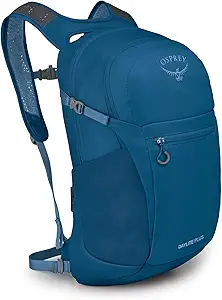
A small backpack can cause a surprising amount of noise when it solves the right problem. The Daylite Plus Daypack sits in that sweet spot between trail pack, airport personal item, campus bag, and weekend errand carrier, which explains why restock chatter can build fast once hiking social media gets hold of it. For many Americans, the appeal is simple: you want one bag that can handle a Saturday trail, a work commute, and a road trip snack run without looking overbuilt. That kind of practical gear tends to spread quickly through short videos, packing reels, and “what I bring on a day hike” posts. Coverage from places like outdoor gear trend reports often grows around products that feel useful rather than flashy. This pack is not trying to be a full backpacking load hauler. It is a 20-liter, lightweight hiking backpack meant for everyday movement, and that makes the restock story feel believable instead of manufactured. Osprey lists the pack at 20 liters with a 1.29-pound weight and dimensions near 19 by 11 by 9.5 inches, while REI also lists it as a travel and multisport pack with a laptop sleeve and reservoir compatibility.
Why the Daylite Plus Daypack Keeps Getting Attention
The pack’s rise makes more sense when you stop judging it like a hardcore mountain pack. It is not built for hauling a tent, stove, bear can, and three days of food. It wins because it feels ordinary in the best way. You can carry water, a shell, snacks, sunscreen, keys, a small first-aid kit, and still have room for a book or tablet afterward.
That is the social media hook. Viewers can see themselves using it.
Social media loves gear that looks easy to own
A lot of hiking content now comes from people who are not chasing remote summits. They are walking state park loops in Ohio, sunrise trails in Arizona, waterfall paths in Tennessee, and family-friendly routes near Denver. In that setting, a day hiking pack that looks clean and carries enough can feel more useful than a technical pack covered in straps.
The non-obvious part is that “less serious” gear often gets more attention because it has more daily uses. A pack made only for steep alpine days has a smaller audience. A small travel backpack that works for a trail, a gym locker, and a budget airline seat reaches more people.
That crossover is why short videos can push demand. Someone sees the bag packed for a hike, then realizes it could also carry a laptop on Monday. The sale is not about one trail. It is about reducing the number of bags hanging in the closet.
Restock demand comes from timing, not only hype
Restock interest tends to rise when weather, school breaks, and travel plans overlap. In the U.S., late spring through early fall turns casual hikers into gear shoppers. A family planning a trip to Acadia, Yosemite, Rocky Mountain, or a local county park may not want a giant pack. They want something light, familiar, and easy to share.
That is where a lightweight hiking backpack earns its place. It does not scare off beginners. It also does not feel pointless to someone who already owns larger gear.
The pack also benefits from gift logic. It is easier to buy for a partner, college student, parent, or new hiker than boots or technical clothing. Sizing risk is lower. Color choice matters, but fit anxiety is not the same as buying footwear. That makes the restock conversation wider than the hiking crowd alone.
What the Pack Actually Does Well
A viral product can become hard to judge because praise piles up faster than real use. The better question is plain: what does this pack do better than the average small backpack? Its main strength is balance. It has enough trail features to feel outdoor-ready, but not so many that it becomes strange for town use.
Osprey’s own listing puts the pack in a compact 20-liter class, and REI’s specs show features that matter for mixed use: exterior pockets, a laptop sleeve, and reservoir compatibility. That combination is why the bag lands between a school backpack and a purpose-built trail pack.
The 20-liter size is more useful than it sounds
Twenty liters can feel small on paper. In practice, it is often the right size for a day outside when you are honest about what you carry. A rain shell, fleece, two bottles, snacks, phone battery, sunglasses case, wallet, keys, and a compact first-aid kit do not need a huge pack.
The trick is discipline. A bigger bag invites clutter. You pack a second hoodie, extra camera gear, a heavy book, and food you will not eat. Then the trail feels longer because your shoulders are paying for indecision.
A day hiking pack in this size range can push better packing habits. That is not glamorous, but it matters. On a warm trail in North Carolina or a breezy overlook hike in Colorado, the best bag is often the one that keeps you from bringing half your closet.
The commuter side is not an afterthought
Many trail packs fail in town because they look too technical or lack basic everyday organization. This one avoids that trap. The laptop sleeve listed by REI fits up to 14 inches, which matters for students, hybrid workers, and travelers who want one bag for the whole day.
That does not mean it replaces a padded office backpack for everyone. If you carry a large laptop, charger brick, folders, headphones, and lunch every day, you may want more structure. But for lighter work setups, the pack’s crossover design is the point.
Here is the quiet win: a small travel backpack that can handle light tech and trail basics saves you from repacking your life every weekend. You finish work Friday, swap a laptop for a water bladder or jacket, and head out Saturday morning. Simple habits make gear stick.
How to Know If This Restock Is Worth Chasing
Restocks can make people rush. That is where mistakes happen. Before buying, think about your actual use. This pack is strongest for light day hikes, short travel days, theme park walking, campus use, dog walks, and gym-adjacent errands. It is weaker for heavy camera kits, winter layers, long desert hikes, or trips where you need a real hipbelt and load support.
The right buyer is not always the most experienced hiker. Often, it is the person who wants to start going outside more and needs a pack that does not feel overdone.
Match the pack to your trail style first
A pack should match your worst normal day, not your best imaginary one. If your hikes are two to six miles, with water, snacks, a layer, and basic safety items, this size makes sense. If your usual route is exposed desert, remote forest, or high elevation with fast weather changes, you may need more capacity.
The National Park Service’s Ten Essentials guidance is a smart reality check because it reminds hikers to carry navigation, sun protection, insulation, illumination, first aid, fire, repair items, nutrition, hydration, and emergency shelter. You can review that guidance through the National Park Service’s Ten Essentials before deciding what size pack your hikes require.
That list may make a 20-liter bag feel small. For some people, it is. For others, it is enough because they carry compact versions of those items and hike close to services. The pack is not the safety plan. Your packing choices are.
Think about color, price, and retailer returns
When a product gets social attention, the fastest-selling colors are not always the best buy. Neutral colors may disappear first, while brighter shades sit longer. That can create a strange buying moment where the practical shopper gets the better deal by not caring about the color everyone wants.
Check return windows, shipping speed, and warranty handling before you panic-buy. Outdoor retailers may differ on returns after use, tags, or member policies. A slightly slower purchase from a reliable retailer can beat a rushed order from a seller you do not know.
For related planning, add this to your future content cluster with day hiking gear checklist and best small backpacks for travel. Those two angles help readers decide whether they need a trail-first bag, a travel-first bag, or one pack that can live between both worlds.
What Buyers Should Expect After the Social Buzz Fades
The funny thing about viral outdoor gear is that the trail does not care. Once the camera is off, the pack either carries well or it does not. It either fits your routine or sits by the door looking clean and unused. This is why the smarter review comes after the hype cools down.
The pack’s strongest case is not that it is rare. It is that it solves a common American problem: people want to spend more time outside, but they do not want gear that makes every walk feel like an expedition.
Comfort depends on load, not only design
A compact frameless pack can feel great when packed lightly and annoying when overloaded. That is normal. The listed weight near 1.3 pounds helps the pack start light, but comfort still depends on how you fill it.
Put dense items high and close to your back. Keep water balanced. Do not let keys, chargers, and loose snacks create a hard lump against the panel. Small mistakes matter more in small packs because there is less space for gear to settle.
This is also where buyers should be honest about expectations. If you want load transfer, a padded hipbelt, and serious back support, shop bigger. If you want an easy bag for a state park loop, commute, and weekend flight, this one sits in a useful lane.
The best use may be boring, and that is fine
The pack may shine most on ordinary days: walking through Portland after a short trail, carrying layers at a Little League tournament, taking snacks into a national park shuttle, or holding a laptop and hoodie at a coffee shop. None of that sounds dramatic.
That is why it works.
A viral bag often loses appeal when people expect it to change their outdoor life. This one is better judged as a steady helper. It makes leaving the house easier. It keeps the essentials in one place. It lowers the friction between “we should go for a hike” and actually getting into the car.
Conclusion
Good gear does not need to make a loud promise. Sometimes it earns attention because it fits into the day without asking for much. That is the real reason this restock story has legs. The pack sits in a rare middle lane: outdoorsy enough for dirt paths, clean enough for town, and small enough that you are not tempted to overpack every outing. The Daylite Plus Daypack makes the most sense for people who want one reliable carry option for light trails, errands, commuting, and short travel days. It is not the right choice for heavy loads or remote hikes that demand more safety margin. But for the huge number of Americans building outdoor time into normal life, it hits a useful target. Buy it because your routine needs it, not because a video made it scarce. That is how you end up with gear you keep reaching for after the trend moves on.
Frequently Asked Questions
Is the Daylite Plus good for beginner hikers?
Yes, it is a strong choice for many beginner hikers because it is light, simple, and not oversized. It works best for shorter trails where you carry water, snacks, a layer, and basic safety items without packing heavy gear.
How much can a 20-liter hiking backpack hold?
A 20-liter pack can usually hold a rain shell, light fleece, snacks, two water bottles, small first-aid kit, phone battery, keys, wallet, and sunscreen. Bulkier winter clothing or camera gear can fill the space fast.
Can this pack work as a small travel backpack?
Yes, it can work well for day travel, road trips, airport personal-item use, and city walking. It is better for light packing than full weekend travel unless you pack with discipline and avoid bulky extras.
Is it better for hiking or commuting?
It sits between both uses. For hiking, it carries trail basics without excess bulk. For commuting, the laptop sleeve and clean shape help. People with large laptops or heavy office loads may want more padding and structure.
Does the pack fit under an airplane seat?
It should fit under many airplane seats when not overpacked, based on its compact listed dimensions. Airline space can vary by carrier and aircraft, so soft packing gives you a better chance than stuffing it full.
What should I pack for a short day hike?
Bring water, snacks, navigation, sun protection, a light layer, first aid, a small flashlight, and weather protection. Add items based on the trail, season, and distance from help. Do not let a short hike make you careless.
Why do some backpack colors sell out faster?
Neutral colors often sell first because they work for travel, school, work, and hiking. Bright seasonal colors may last longer. If color is not a deal breaker, you may have more buying options during a restock.
Is a lightweight hiking backpack enough for national park trails?
It can be enough for short, popular trails with mild weather and easy access to services. For longer, hotter, colder, or remote routes, choose more capacity and carry the full safety gear your route demands.