
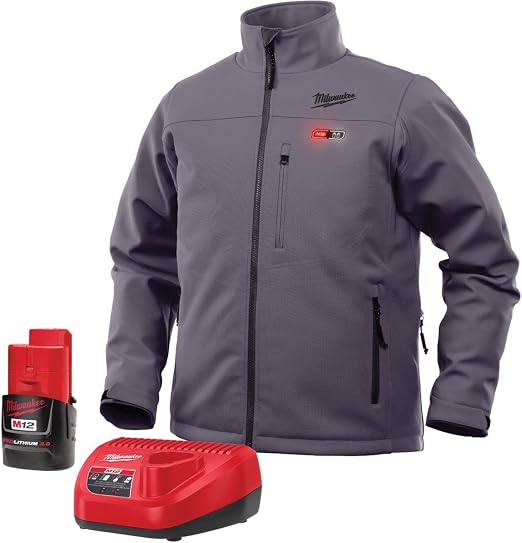
Cold gear has a strange habit of disappearing before the first hard freeze. The Heated Jacket Kit sits in that exact danger zone: useful enough for jobsite workers, familiar enough for Milwaukee tool owners, and easy to forget until shelves are already thin. For U.S. buyers, the appeal is clear. You get a work layer that can add controlled warmth without turning you into a walking sleeping bag. Milwaukee lists M12 heated jackets with heat settings, battery-powered warmth, and core-area heat zones, depending on the model and kit configuration. That matters for tradespeople, delivery drivers, tailgaters, warehouse crews, and anyone who hates losing hand feel in the cold. As gear chatter spreads through buying guides, workwear forums, and seasonal product demand reports, the smart move is not panic-buying. It is knowing which details matter before the cold snaps hit.
Why Cold Gear Demand Starts Before Winter Looks Serious
Cold-weather buying does not wait for snow. It starts when roofers feel the first sharp morning wind, when hunters check their gear bins, and when parents remember last year’s freezing sideline games. That early rush explains why battery-warmed workwear can get attention long before December. The product is not only a jacket. It is a timing problem.
The first cold morning exposes bad planning
The first cold morning has a way of making old gear look worse. A fleece that felt fine in October can feel thin at 6:20 a.m. on a windy jobsite. A bulky coat may keep your body warm but make it harder to bend, carry, climb, or grip.
That is where the Milwaukee heated jacket earns interest. It speaks to people who need warmth without giving up movement. Milwaukee’s product pages point to features such as wind and water resistance, thermal lining, carbon-fiber heating elements, and adjustable heat for core areas on certain models.
The hidden reason demand builds early is sizing. Batteries and chargers can be found later, but your size may not. A medium black jacket in one kit can move faster than an odd color or a less common size. Waiting for the forecast can mean settling for what is left.
Tool loyalty makes the buying decision faster
A lot of shoppers do not start from zero. They already own M12 batteries, chargers, lights, ratchets, or drill drivers. That matters because heated apparel feels less risky when it belongs to a battery family you know.
M12 heated gear also attracts buyers who hate single-use gadgets. If a jacket runs on the same battery platform as tools in the garage, it feels more practical. Not cheap. Practical.
The non-obvious part is that brand trust may matter more than heat specs. Many buyers are not comparing every warmed coat on the market. They are asking, “Will this fit into the gear I already use?” For Milwaukee users, the answer is often yes.
How the Heated Jacket Kit Fits Real Workdays
A heated layer is not magic. It will not replace smart layering, dry socks, gloves, or common sense. But it can change the most annoying part of cold work: the slow body chill that builds when you stop moving, wait on materials, or stand in wind.
Runtime is about habits, not only numbers
Runtime claims matter, but they can mislead if you read them like a guarantee for every shift. Milwaukee lists up to 8 hours of run time for some M12 heated jacket products with an M12 REDLITHIUM 2.0 battery, while other heated gear pages show different run-time patterns based on heat level and battery setup.
That means buyers should think in blocks of use. Maybe you run heat high during the first hour, drop to medium after moving around, then turn it off while carrying lumber indoors. Used that way, the jacket becomes a tool, not a constant heater.
A concrete example helps. A plumber doing service calls in Michigan may not need heat blasting all day. The cold hits hardest during driveway unloading, crawl-space setup, and outdoor walk-arounds. Those are the moments where targeted warmth earns its keep.
Heat zones matter more than peak warmth
The best feature is not always the hottest setting. It is where the warmth lands. Milwaukee lists heated jacket designs with carbon-fiber heating elements for core body areas and pockets on certain M12 models.
That pocket heat sounds minor until your hands are stiff. For people who move between glove-on and glove-off tasks, warm pockets can help during short breaks. Think measuring, checking a phone, signing delivery paperwork, or sorting small hardware.
The surprise is that less heat can feel better. Too much warmth under a shell can make you sweat, and sweat becomes your enemy when the wind picks up. A lower setting, used earlier, may keep you steadier than a late blast of heat after you are already chilled.
What Buyers Should Check Before Stock Gets Tight
Scarcity pressure makes people sloppy. They grab the first listing with the right photo and miss the kit details. That is how someone ends up with the wrong size, the wrong included battery, or a jacket-only listing when they expected a charger.
Kit contents can change the real value
The word “kit” sounds clear, but listings vary. Some include a jacket, battery, and charger. Some are jacket-only. Some retail pages may carry AXIS, TOUGHSHELL, or older M12 variations, and each can have different shell feel, insulation, battery placement, or included pack size. A current Home Depot listing, for example, showed an AXIS heated jacket kit with a 3.0 Ah battery and charger.
That is why the product title deserves a slow read. Do not stop at the image. Check size, gender fit, battery amp-hour, charger inclusion, color, return policy, and whether the listing is current stock or marketplace inventory.
For many U.S. buyers, the best value is not the lowest price. It is the package that prevents a second order. A cheap jacket-only deal loses its shine if you have to buy the battery holder or charger after checkout.
Fit decides whether the jacket gets used
Heated workwear has to fit differently than a fashion coat. Too loose, and the heat floats away from your body. Too tight, and you lose range when reaching, driving, or layering underneath.
This is where buying early pays off. You can choose the size that matches your real use. A warehouse supervisor in Ohio may want room over a hoodie. A contractor in Colorado may want a closer fit under a heavier shell. Both can be right.
The counterintuitive lesson is simple: a warmer jacket is not always the better jacket. The one that moves with you is the one you wear. If it pinches while lifting, bunches under a tool belt, or catches at the waist in a truck seat, it will end up on a hook.
Safety, Care, and Smart Cold-Weather Use
Battery-heated clothing belongs inside a larger cold plan. That sounds boring until you spend six hours in wind and wet boots. The jacket helps, but it should not make you ignore the conditions around you.
Cold stress is still a work hazard
OSHA warns that outdoor workers exposed to cold and wind can face cold stress, and wind speed changes how cold the air feels against the body. That is why a powered layer should support safe habits, not replace them.
A road crew flagger in Minnesota may feel fine in the torso while fingers, ears, and feet still lose heat. A heated jacket can create a false sense of comfort. Your core feels okay, so you miss what is happening at the edges.
Use the jacket with dry base layers, proper gloves, warm headwear, and breaks when conditions call for them. The OSHA cold stress guidance is worth reading for anyone working outside through winter. It explains why cold risk is more than temperature on a phone screen.
Battery care affects comfort later
People talk about warmth but forget power management. A battery that was not charged, was left in a cold truck overnight, or was used all morning in another M12 tool can change your day fast.
Build a small routine. Charge before cold work. Keep a spare battery where it will not freeze. Know where the controller sits. Check the care label before washing, and remove the battery pack before cleaning. Heated clothing is gear, not laundry-room autopilot.
This is also where M12 heated gear makes sense for existing Milwaukee owners. A spare battery may already be in the van. Still, do not assume every pack gives the same feel or run time. Heat setting, battery size, outside temperature, and usage pattern all shape the result.
Conclusion
The early rush around Milwaukee’s warmed workwear is not hard to understand. It sits at the crossing point of jobsite need, tool-brand loyalty, and seasonal timing. Buyers do not want to solve cold discomfort after the first storm. They want the answer hanging by the door before mornings turn mean.
The Heated Jacket Kit makes the most sense for people who already know where cold steals their focus: loading trucks, working lifts, walking dogs before sunrise, sitting in bleachers, or waiting on a delivery bay with the door open. It is not a cure for winter. It is a smarter layer when chosen with care.
Check the model, kit contents, size, battery, and return terms before demand squeezes options. Then treat it like part of a full cold-weather setup, not a shortcut. Buy the version you will wear often, charge it before the day starts, and let winter be less annoying than it was last year.
Frequently Asked Questions
How long does a Milwaukee heated jacket usually stay warm?
Runtime depends on the battery, heat setting, jacket model, and outside conditions. Lower heat settings last longer, while high heat drains faster. Treat published run time as a guide, then plan around your own workday and carry a spare battery when cold exposure is long.
Is a Milwaukee heated jacket worth it for construction workers?
Yes, for many outdoor trades, especially when the job involves standing, waiting, climbing in and out of trucks, or working before sunrise. It is less useful if you already overheat while moving nonstop or if your main problem is wet feet and poor gloves.
What size should I buy in Milwaukee heated workwear?
Choose based on how you layer. A closer fit holds warmth better, but you still need shoulder and arm movement. If you plan to wear a hoodie underneath, size with that in mind rather than buying the same fit as a light fashion jacket.
Can you wear a heated jacket in rain or snow?
Many workwear shells are built for wind and light moisture, but they are not a replacement for full rain gear. In wet weather, read the care and safety instructions for your exact model and avoid exposing battery parts to conditions outside the maker’s guidance.
Does the battery feel bulky in the jacket?
Some users notice it at first, mainly while sitting in a vehicle or leaning back. Placement differs by model. For work use, the tradeoff often feels acceptable because the jacket reduces the need for thicker outer layers.
Should I buy jacket-only or a full kit?
Buy jacket-only only when you already have the right compatible battery and charger. A full package is easier for first-time buyers because it removes guesswork. Check the listing line by line so you know what arrives in the box.
What is the best use for M12 warmed workwear?
It shines during stop-and-start cold exposure. Delivery routes, service calls, garage work, sideline coaching, hunting prep, and outdoor chores are good examples. Constant heavy labor may need less powered heat because your body is already producing warmth.
When is the best time to buy before winter?
Early fall is often safer than waiting for the first major cold front. Selection is better, sizes are easier to find, and you have time to test fit and battery comfort before cold weather becomes a daily problem.