
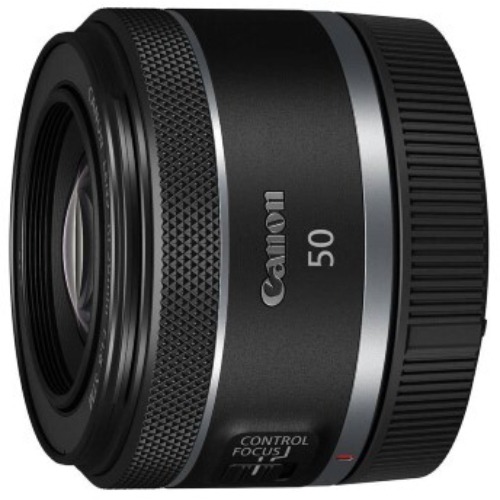
A small lens can hold up a camera bag longer than a camera body sometimes can. The Canon RF 50mm matters to US shooters because it gives new EOS R owners a fast, light, normal-view prime without asking them to spend L-series money. That explains why the RF 50mm f1.8 restock has drawn attention from hobbyists, family photographers, creators, and buyers who waited through empty carts instead of paying more for a stopgap. Current listings show the RF50/1.8 STM in stock at Canon USA at $219.99 during a June 1 to July 5, 2026 instant-savings window, while B&H lists the lens in stock at $219.00, though availability can change by retailer and time of day. For readers tracking gear news through camera market updates, the bigger story is not that one Canon mirrorless lens came back. It is that an affordable portrait lens can become a buying trigger when full-frame bodies keep falling in price and entry-level creators want one small piece of glass that changes how their photos feel.
Why the Canon RF 50mm Is Back on Buyer Lists
The return of this compact 50mm prime lands at the exact point where many buyers stop window-shopping and start building a kit. A zoom lens can cover the focal length, but it does not give the same low-light headroom, size, or shallow-background look. The friction is simple: people buy an EOS R50, R8, R6 Mark II, or used EOS RP, then discover the kit zoom feels slow indoors. A cheap prime is the next move, and when that prime disappears from shelves, the whole buying path stalls. The timing also matters because many shoppers are no longer starting from zero. They already own the body, the kit lens, the memory cards, and the bag. The missing piece is the first lens that makes the camera feel different.
Restock interest comes from daily photo problems
Most people do not crave a 50mm prime because a spec sheet told them to. They want better kitchen-table birthday photos, cleaner pet portraits in a dim apartment, sharper coffee shop shots, and video that does not look flat under weak room lights. A wide f/1.8 aperture gives the shooter more room before the ISO climbs and more control over background blur. Canon describes the lens as a compact fixed 50mm lens with a large f/1.8 aperture, STM autofocus, a control ring, coatings meant to reduce flare and ghosting, and a seven-blade aperture for soft backgrounds.
That mix explains why shoppers react when stock returns. The lens does not promise magic. It promises a clear upgrade from slow kit glass in the rooms where Americans take many of their photos: living rooms, school gyms, churches, small studios, garages, restaurants, and back porches after sunset. A buyer in Ohio may not care about chart tests, but they care when a child’s face stops turning muddy under ceiling lights. That is the kind of improvement people feel fast.
The non-obvious part is that scarcity can help a basic lens feel more serious. When a low-cost item is always on the shelf, buyers put it off. When it comes and goes, people treat it like a chance. That does not mean anyone should panic-buy. It means the lens sits in a rare spot: cheap enough to be an impulse, useful enough to be missed. The smarter reaction is to ask why you wanted it before stock became a story. If the answer is stronger portraits, cleaner indoor shots, or a lighter walkaround kit, the purchase has a purpose. If the answer is fear of missing out, the cart can wait.
A low-cost prime changes how beginners shoot
A 50mm fixed lens makes you move. That sounds like a drawback until you notice what it does to composition. Instead of twisting a zoom ring from the same spot, you step closer, back up, crouch, wait, and choose a frame. That physical choice often teaches more than another menu setting.
Take a parent photographing a high school senior in a shaded park near Dallas. With a slow kit zoom, the background may stay busy, and the face can feel flat. With this small prime opened near f/1.8, the same sidewalk, trees, and late-day light can turn into a cleaner portrait. The photo has separation. The subject gets the eye first. That shift can make a beginner feel as if the camera finally kept the promise printed on the box.
There is a tradeoff. The field of view can feel tight indoors, mainly on smaller RF-S bodies. That surprise catches some buyers. A 50mm prime is not a room-wide storytelling lens; it is a lens for details, half-body portraits, food, products, pets, and tighter street scenes. Buyers who understand that are happier after the restock rush fades.
What Makes This Small Prime Worth Watching
Specs do not tell the whole story, but they help explain why this lens keeps showing up in carts. Canon’s support page lists a 50mm focal length, f/1.8 to f/22 aperture range, RF mount, 0.98-foot minimum focusing distance, 0.25x maximum magnification, six elements in five groups, a 43mm filter thread, seven aperture blades, STM focusing, and a weight of about 160 grams. Those numbers point to a lens built for carry-anywhere use, not a studio trophy. They also explain why the lens appeals to two groups at once: new owners who want their first prime and experienced shooters who want a small backup lens for casual work. Before buying, it is worth checking Canon’s official support specifications against your camera body, filter needs, and handling expectations. A lens can be a good deal and still be the wrong shape for the work in front of you.
The value is in size, light, and speed
The small weight matters more than many buyers expect. A lens that stays on the camera gets used. A lens that feels like a chore sits at home. At about 160 grams, this prime can live on an R-series body during a weekend trip, a walk through a farmers market, or a casual family dinner without turning the setup into a neck strain.
The f/1.8 aperture matters for another reason: it makes an ordinary space more forgiving. A child moves in a dim hallway. A plate lands near a window at a restaurant. A musician plays in a bar with uneven light. You still need skill, but you are not fighting the camera as much. The lens gives you a little more shutter speed, a little more background separation, and a little more room to keep the image clean.
This is where a Canon mirrorless lens at this price earns attention. The expensive 50mm options are better in build, speed, and rendering. No serious shooter should pretend otherwise. Yet the smaller prime may get used more often because it is light, cheap enough to risk, and easy to pack.
The limits are part of the deal
A budget prime has corners. B&H’s product page lists the lens as full-frame, f/1.8 to f/22, compact, with an STM motor and a customizable control ring; the same page also notes that it has no image stabilization. That lack of lens stabilization matters more on bodies without in-body stabilization. It does not ruin the lens, but it changes how you shoot in low light.
Build is another place where expectations need guardrails. This is not an L-series lens, and buyers should not expect sealed buttons, a metal-heavy barrel, or pro-level weather defense. B&H’s Q&A states that the lens is not weather-sealed. If you shoot rain-soaked sidelines or dusty job sites, you need a different plan. The same goes for buyers who want silky manual focus for paid video pulls. The ring is useful, but this lens was built first for small-camera stills and casual hybrid work.
The counterintuitive point is that limits can make the lens better for learning. No zoom. No heavy barrel. No long list of switches. You see light, distance, background, and focus. For a beginner, that kind of simplicity can build taste faster than a more expensive lens that tries to cover every use case.
Buying Without Getting Burned by the Restock Rush
When a popular lens returns, the worst move is to treat the first “in stock” label as a command. The RF 50mm f1.8 restock is worth watching, but the smart buyer still checks price, return terms, warranty status, and whether the lens fits the camera body they own. A low price loses its charm if it comes from a gray-market seller with unclear service support. Camera gear has a strange way of making buyers rush over tiny savings, then regret the missing return window later.
Check the seller before you chase the price
Start with authorized US sellers when warranty support matters. Canon USA’s product page showed the RF50/1.8 STM at $219.99 with a $20 instant-savings offer running from June 1 through July 5, 2026, and it said orders ship only to street addresses in the 50 states or Washington, DC under that offer. B&H’s listing showed the same lens in stock at $219.00, with used options also shown on the page.
Those two checks give a buyer a fair baseline. If a random marketplace listing is far above that, the seller may be pricing off scarcity. If it is far below that, read the fine print twice. You want the RF version for EOS R mirrorless cameras, not the older EF version unless you already plan to use an adapter. That single letter difference can turn a good deal into a return chore.
A useful habit is to keep one internal buying note for your gear choices. Link it from your beginner camera buying guide, add the model names you own, and list the lens mount in plain words. That sounds dull. It prevents expensive clicks.
Decide whether new, refurbished, or used makes sense
New is the cleanest path if you want the full retail experience and a simple return window. Refurbished can be smart when bought from Canon or a trusted camera seller, but stock can vanish faster. Used can save money, though a tiny discount may not be worth dust, scratches, or missing caps. For a low-cost prime, the difference between used and new should be wide enough to pay you for the risk.
For this lens, used prices need special judgment because the new price is not high. If a used copy costs close to a new one, the used copy has to earn that price with condition, seller trust, and a return option. Otherwise, you are taking risk for too little reward.
This is also where the affordable portrait lens label needs context. It is affordable compared with premium RF primes, not disposable. Treat it like a real tool. Put a 43mm protection filter on it only if your shooting style calls for one, buy the correct hood if flare bothers you, and store it like a lens you expect to keep.
Who Should Buy It, and Who Should Walk Away
A restock does not make a lens right for everyone. This small prime suits people who want a light camera, better low-light shots, and cleaner backgrounds without spending four figures. It is less suitable for wide interiors, sports across a field, weather-heavy jobs, and fast-moving video work where wider framing or stabilization matters more than subject blur. The honest buyer starts with scenes, not specs. That is where the decision gets easier.
It makes sense for portraits, food, products, and travel details
A creator shooting Etsy products at a kitchen table can get a cleaner look with this lens than with a slow kit zoom. A travel shooter in New Orleans can pull details from signs, plates, musicians, doorways, and portraits without packing a heavy lens. A family photographer can use it for backyard portraits where the background needs to fall away. The lens fits that middle space between phone convenience and serious-camera look.
The minimum focusing distance helps here. Canon lists it at 0.98 feet, with 0.25x maximum magnification. That is not true macro, but it is close enough for rings, coffee cups, small crafts, flowers, and tight product details. For many online sellers and social creators, that range matters more than lab-chart sharpness.
For a portrait photography gear checklist, this lens belongs in the “small first prime” slot. It should not be sold as the only lens a person will ever need. It should be framed as the lens that teaches subject distance, background control, and light.
It is the wrong buy when the room is too small
The common bad match is an apartment shooter who wants full-room photos. A 50mm view can feel cramped in a bedroom or rental kitchen. You may find yourself pressed against a wall and still unable to fit the scene. A wider prime or a zoom may serve that job better. Real estate, dorm tours, and home makeover content usually need breathing room, not more background blur.
Video buyers should also pause. STM autofocus can be smooth and quiet, and Canon promotes the gear-type STM motor for both stills and video work. Still, handheld video with a tight prime can look shaky if the camera body lacks in-body stabilization or if the shooter moves while filming. The lens can work, but it asks for care.
The hidden lesson is that the best restock purchase is not the one everyone talks about. It is the one that matches the photos you keep failing to make. If the missing piece is brighter portraits, tighter details, and a small daily lens, this one fits. If the missing piece is width, reach, weather sealing, or stabilization, save the money. That sounds less exciting than a checkout button, but it is how good camera kits are built. One honest need at a time.
Conclusion
Restocks create noise, but this one has a practical reason behind it. A small 50mm f/1.8 prime sits at the point where price, size, and visible image improvement meet. The Canon RF 50mm is the rare low-cost lens that can change how a new mirrorless owner sees light without turning a camera bag into a project. Still, the best move is calm. Check current stock from trusted US sellers, compare the price against Canon’s active offers, and make sure the RF mount matches your body before buying. Do not chase it because a page says there are only a few left. Buy it because you already know the scenes it will help you make: a face near a window, a product on a table, a pet under warm light, a small detail that deserves better than a phone snap. Get the lens only when it solves that problem.
Frequently Asked Questions
How much does the RF50mm F1.8 STM cost right now?
Current US listings checked in late June 2026 showed Canon USA at $219.99 during an instant-savings window and B&H at $219.00. Prices can move fast during sales, so check the seller page before you buy.
Is the RF50mm F1.8 STM good for beginner portraits?
Yes, it is a smart first portrait prime for many beginners because the f/1.8 aperture helps soften backgrounds and separate faces from busy scenes. It works best when you have enough room to step back and frame the subject with care.
Will this lens fit Canon EOS R-series cameras?
It is an RF-mount lens, so it is made for Canon EOS R mirrorless cameras. It will not mount directly on older EF DSLR bodies. Always check your camera mount before ordering, mainly if you own both DSLR and mirrorless Canon gear.
Is this lens good for video recording?
It can work well for simple talking-head clips, product shots, and quiet focus changes. Canon describes the STM motor as smooth and quiet for stills and video, but handheld footage can still shake if your camera body lacks stabilization.
Does the RF50mm F1.8 STM have image stabilization?
No, B&H lists no optical image stabilization for this lens. Some EOS R bodies have in-body stabilization, which can help, but buyers using bodies without it should use faster shutter speeds, steadier handholding, or a tripod.
What is the closest focusing distance?
Canon lists the minimum focusing distance at 0.98 feet, or 0.30 meters, with 0.25x maximum magnification. That makes it handy for close details, food, crafts, and small products, though it is not a true macro lens.
Is this lens weather-sealed?
No, B&H’s Q&A states that the lens is not weather-sealed. It is better for casual indoor and outdoor use than harsh rain, dust, or paid work in rough conditions. Carry a cover or choose a sealed lens for that kind of shooting.
Should I buy this or a zoom lens first?
Choose this prime if you want low-light help, portrait blur, and a smaller camera setup. Choose a zoom first if you need wider rooms, travel flexibility, or one lens for many framing needs. The better pick depends on what your current lens fails to do.